
Religion and Ramadan in Morocco – Culture & Travel Guide
Morocco is a country rich in culture, history, and spirituality. Religion plays a central role in daily life, and understanding Islam and Ramadan is essential for visitors, especially those traveling for the first time in Morocco. This guide covers Moroccan religion, the significance of Ramadan, cultural traditions, travel tips, and etiquette to help you experience the country respectfully and fully.
Religion in Morocco and Islamic Traditions
Islam and Religion in Morocco
Morocco is predominantly Muslim, with over 99% of the population practicing Islam.
Islam influences everything: culture, daily routines, holidays, clothing, and behavior.
Other Religions in Morocco
Small communities of Christians, Jews, and other religions exist.
Religious freedom is present, but Islamic customs dominate public life.
Daily Life and Religious Practices
The Adhan, or call to prayer, rings five times daily.
Friday is a holy day: many businesses close for congregational prayers.
Modesty in clothing is expected, especially in rural or traditional areas.
Ramadan in Morocco: Religions and Daily Life
What is Ramadan?
Ramadan is the ninth month of the Islamic lunar calendar.
During Ramadan, Muslims fast from dawn to sunset, refraining from food, drink, and smoking.
The month focuses on spiritual reflection, charity (Zakat), and family gatherings.
Daily Routine During Ramadan in Morocco
Suhoor: pre-dawn meal before fasting begins.
Iftar: breaking the fast at sunset, often with family, friends, and neighbors.
Taraweeh: special night prayers held at mosques during Ramadan.
Streets and markets are vibrant after sunset with food, music, and social gatherings.
Traditional Ramadan Food in Morocco
Harira: a rich Moroccan soup made with lentils, chickpeas, tomatoes, and meat.
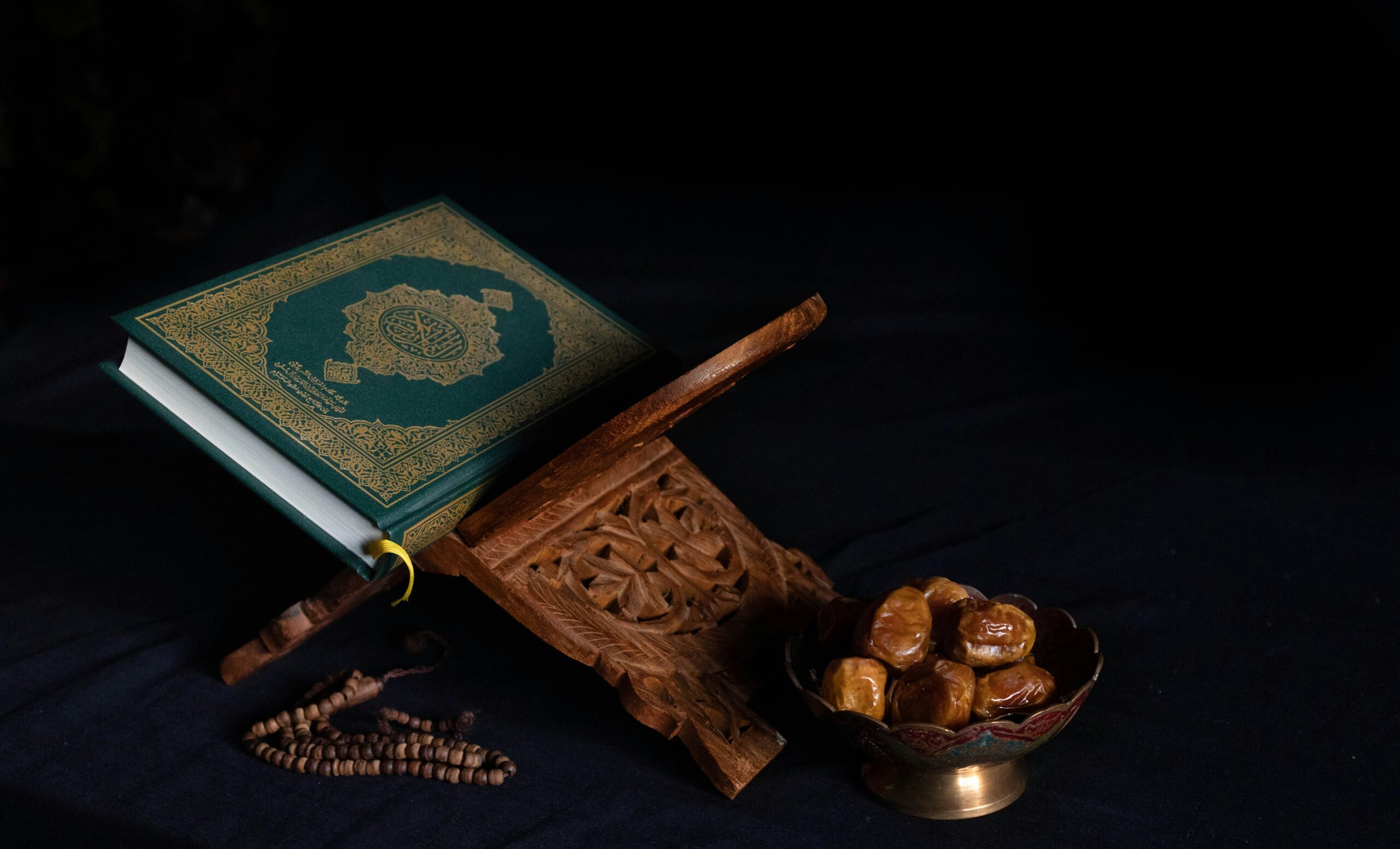
Dates: traditionally eaten first to break the fast.
Chebakia: sweet sesame pastries coated with honey, a Ramadan favorite.
Mint tea: served throughout the day and after.

Cultural Importance of Ramadan in Morocco
Ramadan is not only a spiritual practice but also a social and cultural event.
Families and communities come together to share meals.
Charity and helping the less fortunate is emphasized.
Traveling to Morocco During Ramadan and Religious Customs
Etiquette and Respect for Locals
Avoid eating, drinking, or smoking in public during daylight hours.
Dress modestly, especially in mosques and rural areas.
Be aware that some businesses and restaurants may be closed or have limited hours.
Experiencing Ramadan as a Tourist
Participate respectfully in Iftar meals if invited.
Visit mosques and cultural sites after fasting hours for a better experience.
Take part in evening street markets, which come alive during Ramadan.
Best Cities to Experience Ramadan
Marrakech: vibrant night markets and Iftar celebrations.
Fes: historic medina with traditional foods and spiritual atmosphere.
Essaouira: coastal town with relaxed sunset experiences.
Chefchaouen: mountain town with colorful streets and local Ramadan traditions.
Benefits of Visiting Morocco During Ramadan
Authentic cultural immersion: experience Moroccan hospitality and traditions.
Unique culinary experiences: taste special Ramadan dishes and sweets.
Community spirit: witness Moroccan families and communities gather together.
Spiritual atmosphere: experience the serenity of mosques and nightly prayers.
Tips for First-Time Visitors During Ramadan
Planning Your Trip
Check Ramadan dates (it shifts about 10–11 days earlier each year).
Book tours, accommodations, and desert camps in advance.
Food and Dining
Restaurants may be closed during the day; plan for hotel or private meals.
Evening Iftar meals are often lively and a great chance to meet locals.
Respect and Safety
Avoid public displays of eating or drinking.
Learn basic Arabic or French phrases for polite communication.
Follow local guidance when visiting mosques or religious sites
If you’re visiting Morocco during Ramadan, our private Morocco tours are designed to respect local customs while offering authentic cultural experiences.

Eid al-Fitr and Religion in Morroco after Ramadan
Celebration Details
Marks the end of Ramadan and the start of Shawwal.
Families gather for feasts, prayers, and giving gifts.
Streets are festive with sweets, music, and decorations.
Tips for Tourists
Expect crowded markets and public events.
Hotels and restaurants may offer special Eid menus.
Participate respectfully to enjoy local traditions.
FAQs About Religion and Ramadan in Morocco
Q1: Can tourists eat in public during Ramadan?
It’s respectful to avoid eating, drinking, or smoking in public during fasting hours, especially in traditional areas.
Q2: Are attractions open during Ramadan?
Major tourist attractions are usually open, but some smaller shops and restaurants may close during the day.
Q3: Can non-Muslims participate in Ramadan activities?
Yes, respectfully attending Iftar meals or cultural events is welcomed.
Q4: When is the best time to visit Morocco for Ramadan?
Late Ramadan can be ideal, as you’ll experience festive celebrations and Iftar meals.
Final Thoughts
Religion and Ramadan are central to Moroccan life. Visiting Morocco during this holy month provides deep cultural insight, unique culinary experiences, and a chance to witness authentic community gatherings. By respecting local customs and traditions, tourists can enjoy an unforgettable, enriching journey.

